
- calendar_today August 10, 2025
Why Georgia’s Housing Market Is Stuck in 2025
For years, Georgia’s real estate market—especially around metro Atlanta—was one of the hottest in the nation. Buyers scrambled, prices soared, and inventory vanished within days.
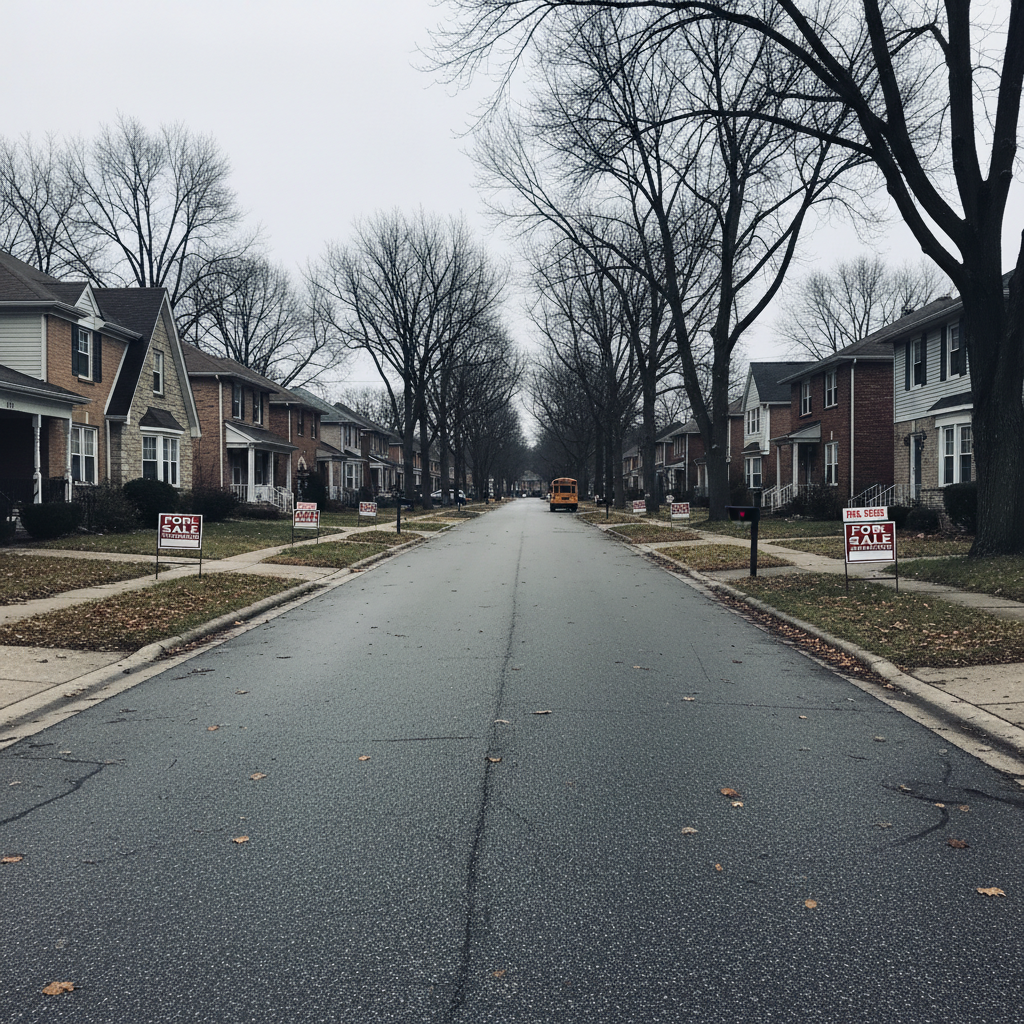
But in 2025, things look very different. Homes are sitting longer. Sales are falling. And many sellers and buyers feel paralyzed by the economic crosswinds.
The slowdown isn’t a crash—it’s a freeze. And five powerful statistics reveal why Georgia’s housing market has hit pause.
Mortgage rates remain the top drag on Georgia’s market in 2025. Despite expectations that borrowing costs would decline this year, the average 30-year fixed rate in Georgia remains stuck at 7.1%, according to Bankrate.
For prospective buyers across Atlanta, Savannah, and Macon, the math just doesn’t work the way it used to. A $400,000 home now costs over $800 more per month than it did just three years ago with a 3% mortgage.
“Even though prices have stabilized, affordability hasn’t improved,” said Marcus Hines, a mortgage broker in Atlanta. “Higher rates have cut buying power dramatically.”
This rate shock is especially hard on first-time buyers in fast-growing suburbs like Lawrenceville and Alpharetta.
2. Home Sales Down 22% Year-Over-Year
According to the Georgia Association of Realtors, statewide home sales are down 22% compared to mid-2024. That includes a sharp slowdown in both urban centers and rural counties.
In metro Atlanta, transaction volume in counties like Fulton, DeKalb, and Cobb has dropped even more sharply—between 24% and 28%, depending on the submarket.
This isn’t due to lack of demand. Many renters still want to buy. But high prices, high rates, and stagnant wages have sidelined them.
“People still want to move, but they’re afraid to make a mistake,” said Leah Whitaker, a Realtor in Columbus. “And a lot of homeowners feel trapped by their current mortgage.”
3. New Listings Down 18% as Owners Stay Put
In 2025, many Georgians are sitting tight rather than selling, especially those who locked in 2.5–3.5% mortgage rates during the pandemic years.
New listings are down 18% statewide through midyear, with major gaps in inventory across middle Georgia and parts of the northern Atlanta suburbs. The shortage is especially severe for entry-level homes under $350,000.
“Inventory is so tight it’s almost artificial,” said realtor Dana Spears in Gwinnett County. “We’re not seeing the normal churn of move-up buyers.”
Even those who want to move—such as retirees looking to downsize or growing families—are reluctant to trade their low-rate mortgage for something twice as expensive.
4. Median Price Growth Has Stalled at 0.9%
After years of double-digit growth, Georgia’s median home prices have essentially flatlined.
In June 2025, the statewide median sale price hit $375,000—up just 0.9% year-over-year, according to Redfin data. Some areas, like downtown Atlanta and Athens-Clarke County, are even seeing slight year-over-year price declines.
This cooling is partly due to weaker demand, but also reflects buyers pushing back against overpricing.
“We’ve gone from bidding wars to price cuts,” said James Holloway, a broker in Augusta. “Homes that are overpriced just sit, and sellers have to adjust quickly.”
Price stabilization has brought opportunity for buyers, but affordability is still a challenge given today’s financing costs.
5. Investor Activity Drops by 28% in Atlanta and Beyond
Georgia’s hot investor scene is cooling down fast.
According to CoreLogic, investor purchases are down 28% in Georgia compared to a year ago, particularly in Atlanta’s outer suburbs and secondary markets like Warner Robins and Rome.
Short-term rental regulations, rising property taxes, and higher mortgage rates have discouraged both institutional buyers and mom-and-pop landlords.
In Atlanta specifically, neighborhoods like East Point and College Park—which once saw heavy investor activity—have seen listings linger longer and fewer cash offers.
“Landlords are getting squeezed,” said property manager Kendra Lee. “Between insurance hikes and rising costs, the numbers don’t pencil out the way they did in 2021.”
What’s Keeping the Market from Crashing?
Despite these worrying signals, Georgia’s housing market is not collapsing. The reason? Solid fundamentals still support long-term stability:
- Population growth remains steady, especially in the Atlanta metro and North Georgia suburbs.
- Job growth in logistics, healthcare, and tech continues to support demand, especially along the I-85 and I-75 corridors.
- Builders are cautious, which has helped prevent oversupply, particularly in mid-size cities like Macon, Valdosta, and Albany.
Plus, many Georgia homeowners have significant equity built up from the pandemic boom and aren’t being forced to sell at a loss.
What Could Unfreeze Georgia’s Market in Late 2025?
There are a few key triggers that could warm things up by year’s end or early 2026:
- Fed rate cuts could bring mortgage rates back below 6.5%, unlocking buyer demand.
- Insurance reform—especially in storm-prone southern counties—could make homeownership more affordable.
- Builder incentives and down payment programs could draw more first-time buyers into the market.
- Investor confidence could return if rents stabilize and regulations become more predictable.
Until then, expect a market in slow motion—with serious buyers rewarded for patience and strategy.
The Outlook for Buyers, Sellers, and Investors
Georgia’s housing market isn’t broken—but it is stuck. Rising rates, sticky prices, and hesitant sellers have created a freeze across the state. But for those who can look past the headlines and play the long game, 2025 still holds opportunities in the Peach State’s evolving real estate landscape.
Buyers: Now is a good time to explore without as much competition. Negotiate hard, and focus on well-priced properties with strong fundamentals.
Sellers: Pricing realistically is key. Homes are sitting longer, and buyers are more cautious. Presentation and value matter more than ever.
Investors: Focus on long-term holds in stable rental markets—like Athens, Macon, and Augusta—where population growth supports rental demand even as short-term gains shrink.