- calendar_today August 6, 2025
As 2025 unfolds, Georgia’s real estate market continues to draw national attention, with both domestic and international investors exploring opportunities across the state’s diverse regions. From the economic strength of metro Atlanta to the quieter growth in Savannah and Augusta, Georgia offers a compelling snapshot of how regional development, migration, and policy shape the broader property investment landscape.
This report takes a data-informed, objective look at the key real estate investment trends emerging in Georgia this year.
Rising Demand in Metro Atlanta’s Suburban Belt
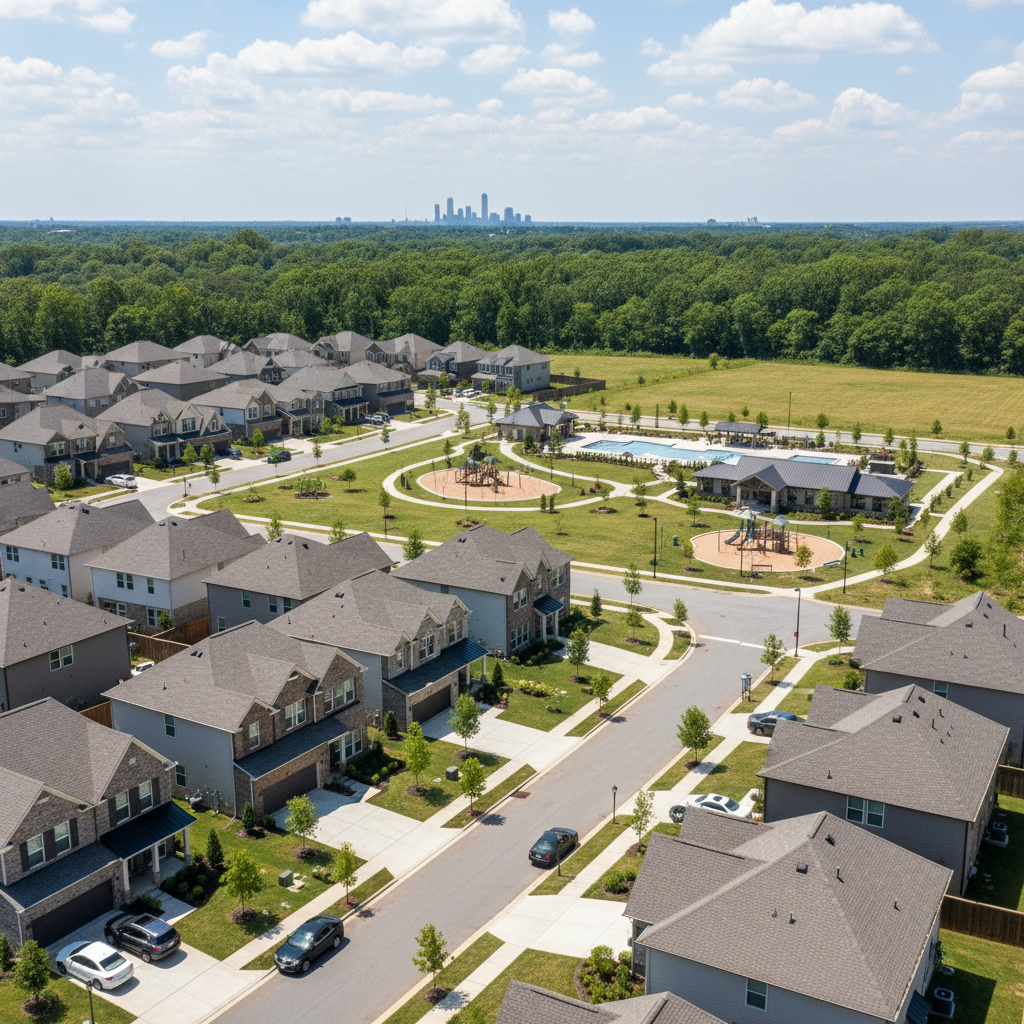
Metro Atlanta remains the centerpiece of Georgia’s housing momentum. In 2025, suburban areas like Alpharetta, Marietta, and Peachtree City are witnessing a significant uptick in single-family housing demand. Fueled by remote work flexibility and population growth, these suburbs offer a blend of affordability and quality infrastructure.
According to the Georgia Association of Realtors, median home prices in suburban Fulton and Cobb counties rose by 6.2% year-over-year in the first quarter of 2025. Demand is particularly strong in planned communities offering proximity to green space, good schools, and quick access to Atlanta via I-285 or MARTA.
Atlanta’s Multifamily Housing Market Expands
Atlanta’s urban core is also experiencing steady growth, especially in multifamily properties. Investors are targeting neighborhoods like Midtown, Westside, and Old Fourth Ward, where zoning updates have encouraged mid-rise and high-density development.
Recent reports from CBRE show that Atlanta saw over 4,800 new multifamily units delivered in Q1 2025, with an average occupancy rate of 91%. Rising rental yields and favorable landlord policies are driving investor interest, despite higher construction costs.
Industrial Real Estate Growth Along I-75/I-16 Corridors
Beyond residential, Georgia’s logistics infrastructure continues to fuel industrial real estate development. Major shipping routes such as I-75 and I-16 have attracted new warehouse and distribution centers.
In Macon and Warner Robins, new industrial parks are opening in response to demand from e-commerce and manufacturing companies. According to the Georgia Department of Economic Development, nearly 3 million square feet of industrial space is under construction statewide, with significant projects from Amazon and FedEx shaping the landscape.
Coastal Expansion in Savannah
Savannah’s port-driven economy is driving regional real estate growth. The Port of Savannah, now the third-busiest in the U.S., has spurred job creation and population increases in Chatham County. Investors are eyeing opportunities in both residential housing and light industrial developments near the port.
In 2025, the city has also approved several mixed-use projects combining residential, retail, and hospitality components. These developments are transforming formerly industrial zones into investment-friendly districts, aligning with Georgia’s broader strategy to modernize coastal infrastructure.
Affordable Housing Incentives and New Legislation
Georgia lawmakers introduced new housing incentives this year aimed at increasing affordable housing supply. Under House Bill 512, developers in cities with housing shortages can now access tax abatements and fast-tracked permitting for qualifying projects.
Cities such as Augusta, Macon, and Columbus are using these policies to attract private capital for affordable multifamily housing. While implementation varies by county, the move is generally seen as positive for long-term investment and social stability.
Secondary Cities See Renewed Interest
While Atlanta dominates headlines, Georgia’s secondary markets are also gaining traction. Cities like Athens, Valdosta, and Rome are becoming attractive to investors looking for higher cap rates and lower entry points. In Athens, for example, student housing near the University of Georgia remains a strong niche market.
Rental property data from Zillow shows that Athens rental rates grew by 5.8% year-over-year, outperforming some larger metro areas. Similarly, Valdosta’s housing market benefited from low inventory and continued demand from military personnel based at Moody Air Force Base.
Cautious Optimism Amid Interest Rate Fluctuations
Like many other states, Georgia investors remain cautious due to interest rate volatility. Mortgage rates hovering between 6.5% and 7% are putting pressure on first-time buyers and developers alike. However, strong employment growth — Georgia added 40,000 jobs in Q1 alone, according to the Bureau of Labor Statistics — is helping to sustain demand across segments.
Lenders are also adjusting by offering more flexible financing options for multifamily and industrial property buyers. Creative partnerships between local banks and private equity firms are helping to keep momentum steady.
Outlook for 2025 and Beyond
Overall, Georgia’s real estate outlook remains robust, with strategic growth in key regions. The combination of expanding infrastructure, favorable state policies, and diverse market segments makes Georgia a resilient destination for real estate investors in 2025.
While Atlanta continues to be the flagship market, emerging opportunities in Savannah, Augusta, and Athens reflect the state’s broader economic dynamism. The coming quarters will likely see further investment in industrial corridors, suburban housing, and mixed-use urban redevelopments.
As investors navigate interest rate uncertainty, Georgia’s fundamentals — population growth, infrastructure, job creation, and business-friendly policies — continue to offer long-term confidence.