
- calendar_today August 7, 2025
For many Georgians, the aftermath of storm damage or a routine home repair now comes with a larger price tag. As insurers adapt to mounting claims and natural disaster risks, the burden is increasingly shifting to policyholders in the form of rising deductibles and stricter policy conditions.
Across metro areas like Atlanta and rural counties in central and southern Georgia, residents are reporting higher out-of-pocket expenses before insurance coverage kicks in. This shift is not limited to luxury homes or coastal properties. Homeowners from a broad spectrum of income levels are grappling with what many describe as a “slow burn” in affordability.
Climate Events Fueling the Trend
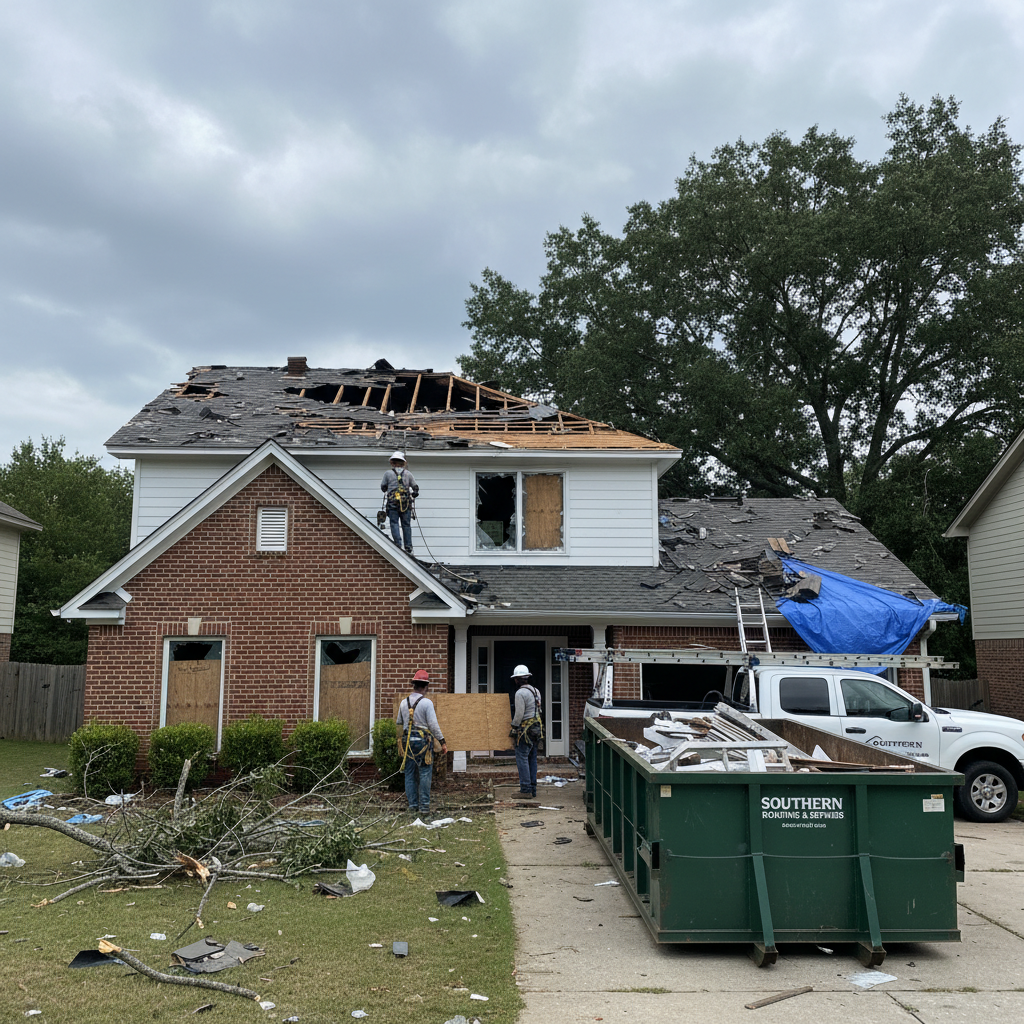
Georgia’s vulnerability to severe weather—ranging from tornados to heavy rainfall and tropical storms—has made insurers cautious. According to data from the National Weather Service, the state has experienced more frequent and severe storms over the past decade. These events have led to an uptick in claims related to roof damage, flooding, and wind-related destruction.
In response, insurance companies are reevaluating risk models. Some policies now include percentage-based deductibles for certain weather events—often 1% to 5% of the home’s insured value. For a $300,000 home, this could translate to a deductible as high as $15,000 for a single storm-related claim.
Residents Feel the Financial Strain
Homeowners like Deborah Jenkins in Macon have felt the pinch firsthand. After a hailstorm caused $20,000 in roof damage to her home, she was stunned to learn her deductible had jumped from a flat $2,000 to a 3% tiered system based on the home’s value.
“I thought I was protected,” she said. “But when I needed help the most, I had to take out a short-term loan just to cover the deductible. That’s not something they teach you when you’re buying a house.”
Stories like Jenkins’ are becoming more common. Real estate professionals and home inspectors across Georgia note that buyers and sellers alike are taking a closer look at insurance policies and repair liabilities before closing on deals.
Contractors and Builders Caught in the Middle
The ripple effects extend beyond homeowners. Contractors across Georgia say they’re adjusting how they price repair jobs due to unpredictable payment timelines.
“There’s hesitation now. People want work done, but they’re unsure what the insurance will actually pay—or when,” said Steven Redding, a contractor based in Savannah. “We’ve had more clients request payment plans or financing options than ever before.”
At the same time, supply chain disruptions and material costs—particularly for items like lumber, asphalt shingles, and electrical systems—continue to inflate project quotes. Labor shortages in skilled trades have compounded the issue, delaying timelines and stretching homeowners’ patience.
Insurance Industry Justifies Adjustments
Insurers argue that changes to deductibles and policies are necessary to keep the system sustainable. A spokesperson for a major insurance provider operating in Georgia noted that the rise in large-scale claims has strained reserves and reinsurance agreements.
“Insurers are not immune to inflation, storm intensity, or global market fluctuations,” the spokesperson said. “Deductibles are one way to ensure we can continue providing coverage to all policyholders while managing aggregate risk.”
The industry also cites a surge in fraudulent claims and inflated estimates as factors contributing to policy revisions. In 2023, Georgia’s Department of Insurance reported a notable uptick in investigations related to suspected insurance fraud in residential repairs.
Market Responses and Consumer Behavior
As deductibles rise, some Georgians are turning to home maintenance plans and emergency savings strategies to cushion unexpected repairs. Others are seeking higher policy transparency and leveraging independent insurance agents to shop for more favorable terms.
In communities with higher income levels, there’s a growing trend toward self-insurance, where homeowners set aside dedicated repair funds rather than filing claims for mid-tier damage. However, this approach is not feasible for all residents, particularly those with limited financial flexibility.
In cities like Augusta and Columbus, neighborhood associations and housing support groups have begun hosting workshops to educate residents about insurance literacy and disaster preparedness—efforts aimed at bridging the knowledge gap around changing insurance landscapes.
The Legislative Outlook
At the state level, regulators are watching closely but have yet to intervene significantly. Some consumer advocates are pushing for legislation that would cap percentage-based deductibles or require clearer disclosure of policy changes.
Georgia Insurance Commissioner John F. King has publicly acknowledged the growing pressure on homeowners but emphasized the need to balance consumer protection with market stability. His office has encouraged residents to read policy documents carefully and communicate with providers proactively to avoid surprises during claims.
Looking Ahead: Preparing for Uncertainty
As Georgia heads into another unpredictable storm season, the relationship between insurance, home repair, and household budgets is expected to remain tense. Whether through updated regulations, industry innovation, or grassroots financial planning, how the state navigates this pressure point could set a precedent for other regions experiencing similar challenges.
In the meantime, the advice from industry experts is clear: Understand your policy, budget for higher deductibles, and plan repairs with transparency and caution. In today’s environment, preparation is no longer optional, it’s essential.