
- calendar_today August 12, 2025
The economically diverse Georgia market, fueled by pillar industries like agriculture, manufacturing, logistics, and technology, is facing growing volatility with the current turmoil in economic conditions caused by former President Donald Trump’s trade policies. With tariffs being levied on vital imports, and retaliatory actions by international trade partners, businesses and consumers in the state are facing higher costs, supply chain disruptions, and an uncertain economic future. Large industries are therefore adjusting to these new realities as the economy of the state adjusts to the complexities brought by these policies.
Manufacturing and Logistics Experience Higher Costs
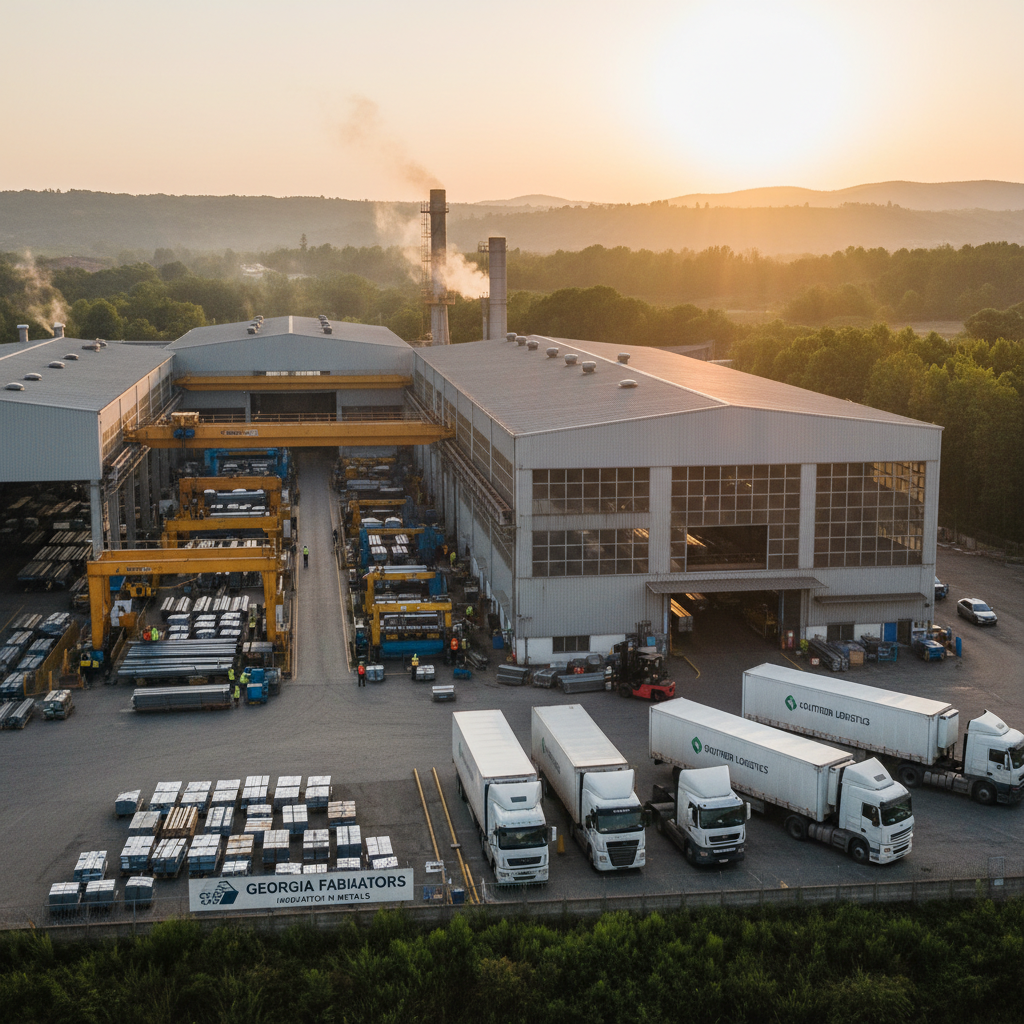
Being a crucial intermodal shipping point for interfirm manufacturing and international trade, Georgia relies on international supply chains to sustain manufacturing businesses in the automotive manufacturing, aerospace manufacturing, and electronics manufacturing industries. Trump’s tariffs on foreign steel, aluminum, and electronics have led to an increase in manufacturing costs affecting manufacturers and companies in Georgia. Georgia companies that rely on these imported raw materials, especially in automobile and aerospace production sectors, have been forced to adapt to these increased costs.
Increased cost of production: Manufacturers, the automotive sector in particular, are experiencing increased input costs with the increase in steel and aluminum prices. Not only does this impact the cost of production, but also the price of finished products, and this may dampen consumer spending.
Logistics disruptions: Businesses in Georgia’s logistics industry, a sector that ensures the movement of goods within and out of the country, are experiencing the pinch of supply chain disruptions. Tariffs have contributed to the cost of imports, which has in turn contributed to the cost of shipping and handling goods, adding more costs to logistics businesses.
Slowdown in hiring: As companies are struggling to make changes within their operations to absorb increased costs, there is a concern that the rate of job growth may slow down. Companies are reconsidering expansion plans and whether they can reduce the number of new employees because of the cost added by changes in trade policy.
In Georgia’s business centers, even more so in Atlanta, the biggest companies are anxiously waiting to find out how the new trade scenario will impact their bottom line. Investments for the long term now are held in abeyance since businesses have no clue for how long the economic troubles are going to continue.
Agriculture is hit with Export Tariffs
Agriculture continues to be among the mainstays of Georgia’s economy, with Georgia ranking as a major producer of agricultural produce including peanuts, chicken, and cotton. Georgian farmers are, however, beginning to experience the bite of retaliatory tariffs from its trading partners, notably China and Europe. Georgia’s exports face the tariffs in these countries, affecting farmers who export their produce to foreign markets.
Reduced demand: Tariffs have reduced the demand for Georgia’s agricultural exports. One of Georgia’s biggest markets for poultry and peanuts, China, has placed tariffs on the two products, which have made them less competitive in international markets. European Union tariffs on agricultural products from the United States, too, have interrupted traditional market channels for cotton and other crops.
Declining commodity prices: The tariffs have worked to diminish commodity prices, which has resulted in tighter farm revenues. While farmers grapple with low revenues, most of them are now compelled to make serious decisions regarding the viability of their businesses.
Trade negotiation uncertainty: Uncertainty regarding trade negotiations today has made it more difficult for Georgia farmers to make plans. The uncertainty of when trade disputes will be settled means that investments in agriculture in the future are becoming less sure, and many farmers are delaying making significant investments.
While some of the federal programs providing aid have mitigated near-term losses, many Georgia farmers fear that persistent trade tensions will have long-term impacts on the profitability of the state’s agricultural sector.
Consumer Goods and Retail Prices Increase
With mounting tariffs on foreign products, Georgia consumers are already beginning to feel the immediate effects on daily spending. Prices of electronics, appliances, cars, and clothing—many of which depend on components from nations like China—are certain to rise. These hikes are especially prevalent in industries where foreign products comprise much of the retail stock.
Electronics and appliance: As Chinese-made parts continue to become tariffed, Georgia customers have seen rising prices on electronics, from smartphones to laptops, and appliances. The prices are going up both due to increasing import costs and the strain placed on companies to pass these onto consumers.
Cars: The auto industry is one of the fields where tariffs have caused consumers to pay more for cars. Tariffs on foreign steel and car parts have increased the manufacturing cost of domestic and foreign cars, which has contributed to the price of automobiles.
E-commerce: Online consumers are also experiencing higher prices on apparel and consumer goods, from raw materials to finished goods. Consumers are paying more for everyday items as the cost rises, which will reduce consumption as families grapple with increased costs.
Georgia’s Economic Outlook
As Georgia’s businesses and consumers adapt to the new trade climate, the overall economic outlook remains murky. Even though industries like logistics and agriculture might eventually prosper under protectionist initiatives, near-term costs of elevated expenses and disruption of supply chains cannot be ruled out.
The state’s business community also eagerly monitors trade negotiations, seeking resolution and predictability in the international market. Unless a revolutionary change is introduced, economic instability caused by such trade policies could continue, and consumers and business owners may be faced with an unpredictable market.