
- calendar_today August 21, 2025
Wolfspeed, a leading company in the semiconductor sector, has seen its recent seismic crash as its stock hit a 27-year low. The company’s plight has caused ripples in the tech universe, raising alarm flags among investors and companies, including those in Georgia’s burgeoning tech ecosystem. Since the semiconductor sector is responsible for power-enabling technologies from electric vehicles (EVs) to renewable energy infrastructures, the collapse of Wolfspeed’s stock has generated tremendous controversy regarding technology innovation futures, most specifically in Georgia which is now a clean tech and semiconductor hub.
The Fall of Wolfspeed: What Went Wrong
Wolfspeed’s financial woes have been triggered by a range of factors that include manufacturing issues, supply chain issues, to more competition in the semiconductor industry. The firm’s dependence on its wide-bandgap semiconductor technology, which is at the forefront of the EV and clean energy industries, has not been sufficient to shield it from the general economic difficulties that have been besetting the tech sector.
Even after having been set up as a leading player in its field, Wolfspeed’s share price plummeted to historic lows, leading to re-evaluation of its business plan and future performance. Investors have feared that the company is unable to match the increasing demands for semiconductors, particularly as industries such as electric vehicles and renewable energy come to rely more and more on these devices.
Georgia’s Tech Community Reacts
Georgia’s technology industry, having expanded significantly over the last few years, has been following Wolfspeed’s collapse closely. Georgia’s capital city, Atlanta, has emerged as a top technology hub, especially for electric vehicles, clean energy, and AI-driven innovation. The majority of Georgian companies employ semiconductors in their products, and Wolfspeed has long been viewed as a key component in delivering the parts required for these industries to function effectively.
The fall in stocks has provoked debates among Georgia’s technology executives, investors, and industry experts. Although the crisis is cause for alarm in the short run, it is perceived by some as a chance for local companies to advance and come up with alternative solutions to meet the rising need for clean tech and semiconductor components.
Fears for the Future of EVs and Clean Tech
One of the most significant among Georgia technology leaders’ concerns is the potential effect on the clean energy and electric vehicle sectors. As more Georgia companies transition to clean technology, predictability and supply of semiconductor parts become essential. Wolfspeed’s tribulations may introduce production lead times or increased cost to Georgia-based EV makers, clean tech entrepreneurs, and renewable energy developers.
Georgia became a leader in the Southeast for electric vehicle manufacturing, where Rivian and Lucid Motors spent heavily. Any disruption in the semiconductor supply chain could jeopardize the expansion of those companies, as well as the state overall to become a leader in green technology industries. While Wolfspeed’s stock is tanking, local industry stakeholders are trying to ensure their access to the crucial components and find alternatives to protect their businesses.
Impact on Georgia’s Semiconductor Ecosystem
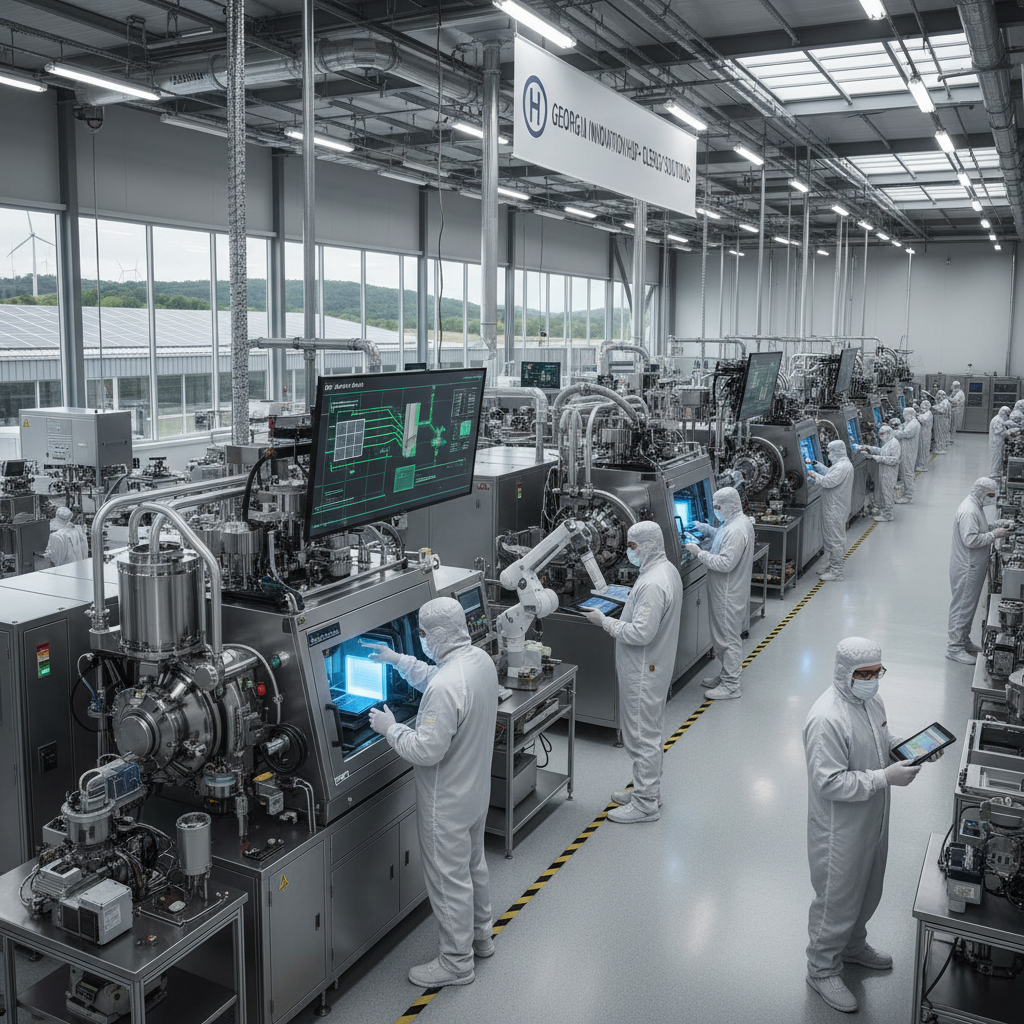
Georgia’s semiconductor ecosystem is just beginning to form, but it could be a leading driver in national and international markets. The state is also home to various research centers, tech startups, and manufacturers that base their business on semiconductor technology. If Wolfspeed’s issues do not stop, it might end up causing a change in the market with Georgia businesses entering to fill the gap caused by the company’s issues.
And a few Georgia-based firms already are suffering from Wolfspeed’s woes. For instance, regional manufacturers and developers who rely on the company’s chips to drive electric vehicles, solar panels, and other uses are rethinking their supply lines. They are debating the best way to diversify their sources and cut back on their reliance on Wolfspeed, which may create an opportunity for other semiconductor companies, including some in Georgia.
Investors Watch Closely
Georgia investors, including those who have stakes in investment in the tech industry, are closely observing the effects of the breakdown of Wolfspeed’s stock market. The decline in the stock value of the company has sent question marks to investors about the future of investment in semiconductors, particularly following the rapidly changing clean tech and EV industries. Some would prefer relocating their investments to other emerging firms that have something to do with semiconductors, while others would want to look for ways of making profits from the situation.
The crisis also offers Georgia investors a chance to overhaul their portfolios and invest in new bets on local tech firms and clean tech firms. As demand for semiconductors is expected to increase over the next couple of years, the state’s technology leaders are envisioning a chance to place a bet on homegrown solutions that will counter any supply chain implications that could be incurred.
The Road Ahead for Georgia’s Technology Sector
While Wolfspeed struggles with its financial woes, Georgia’s technology industry is learning to ride out the change in tides. Its increasing clean tech industry, as well as its attempts to cultivate innovation in the semiconductor industry, positions it to weather the storm of Wolfspeed’s failure.
While the semiconductor industry is still shaken, Georgia’s technology industry is not. Businesses all across the state are going ahead to diversify their semiconductor supply chain, as well as to invest heavily in research and development to develop next-generation technologies that will fulfill demand in electric cars, renewable energy, and other next-generation industries.
Conclusion: Turning a Setback into Opportunity
The decline of Wolfspeed’s stock is certainly rattling the technology world, but it also fueled rich discussion regarding the future of semiconductors and the tech industry as a whole. For Georgia, this is a crisis and an opportunity. The short-term effect will be disconcerting, but the state’s emphasis on innovation, clean tech, and development of semiconductors positions Georgia to come out of this market shakeout more resilient than ever.
While local tech leaders sift through the aftermath, how well Georgia can respond and shift gears will be most important to its remaining a clean energy and tech hub.