- calendar_today August 24, 2025
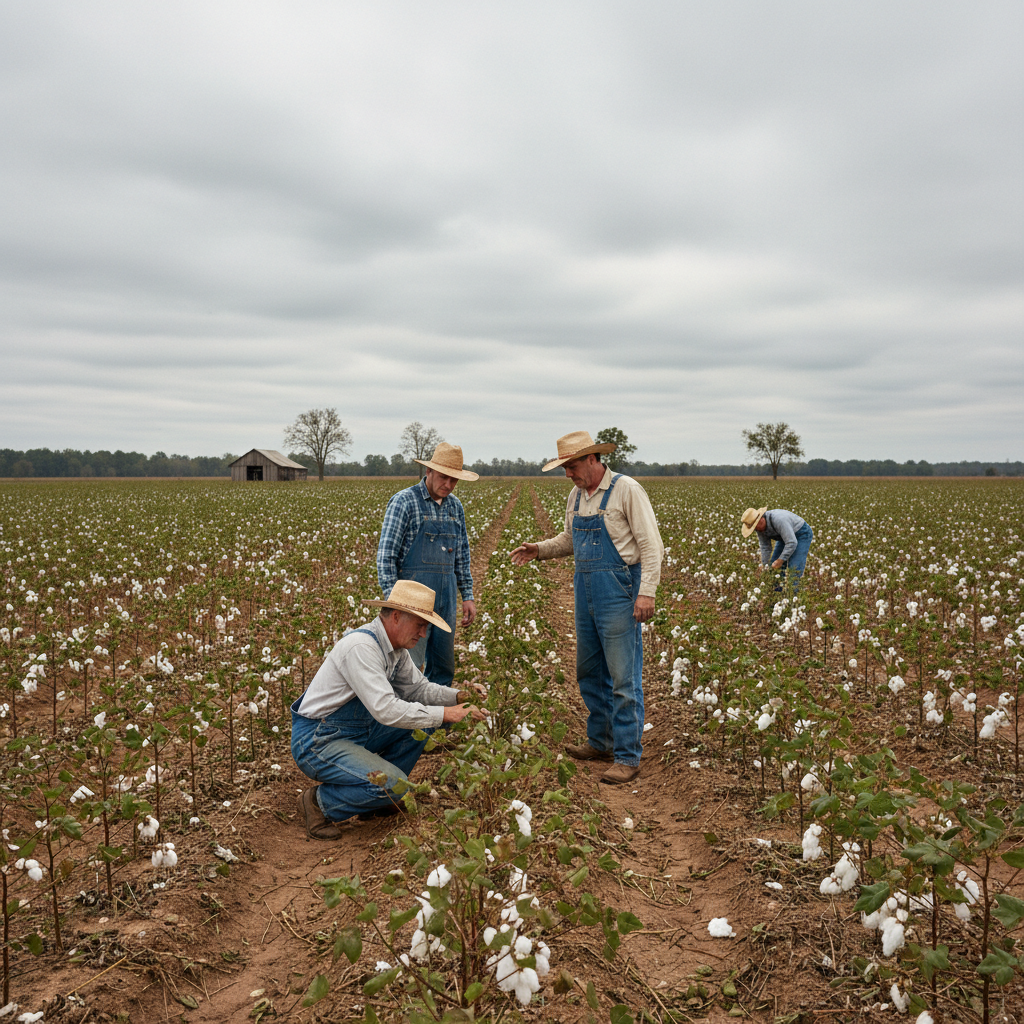
2025 is a challenging year for cotton producers in Georgia. Cotton has been known to be referred to as “white gold” in the South since it is such a valuable crop for the state of Georgia. But this year’s production isn’t as high, and farmers throughout Georgia are coping with increased expenses, weather problems, and international trade concerns.
Cotton production isn’t merely a career in Georgia — it’s a legacy. Generations of families have inherited the land and passed down the experience. But growers today are dealing with new issues that previous generations didn’t have to contend with.
What’s Behind the Decline?
The dip in Georgia’s cotton output isn’t due to one factor. It’s a combination of a number of factors occurring all at once:
- Weather Issues – Droughts and irregular rainfall have hindered planting and harvesting. Heavy rains arrived too late in some areas of Georgia, washing away seeds. In other regions, the ground got too dry too quickly. Cotton requires a healthy mix of water and sun, and that’s been more difficult to achieve recently.
- Increased Costs – Farming has become more expensive. From fertilizer to fuel to labor, it all costs more in 2025. Most farmers claim to be paying more for less cotton.
- Global Trade and Competition Uncertainty – India, China, and Pakistan are other major producers of cotton as well. With unpredictable global prices and changing trade policies, American cotton, including Georgia’s, is finding it hard to compete.
Voices from the Field
Georgia cotton farmers are having their say.
“We’re working harder than ever, but we’re getting squeezed on all sides,” explains James Holloway, a third-generation farmer outside Albany. “Last year, we had a solid harvest. This year, we’re hoping just to break even.”
Other farmers have even started planting less cotton, opting to produce peanuts or soybeans instead — crops that require less water and are less costly to tend to. But this conversion is not simple.
“It’s not just a crop. Cotton is our identity,” says Maria Fields, a cotton farmer in southern Georgia. “Changing crops feels like starting all over.”
Economic Impact Across Georgia
The effects of lower cotton production aren’t limited to farms. They stretch out across the entire state economy. Georgia has a strong cotton-related supply chain. This includes:
- Cotton gins that process raw cotton
- Trucking companies that move the product
- Textile producers that produce cloth and clothing
- Exporters who export Georgia cotton to foreign nations
As the production of cotton declines, all these businesses suffer. Some smaller processing firms have already reduced hours or let employees go.
Farm supply stores and local banks are also noticing. A lot of farmers depend on credit to weather the growing season. If yields remain low, paying back those loans becomes more difficult.
Government and Local Response
Georgia’s Department of Agriculture is conscious of the problem and has begun discussions on what measures can be taken to assist cotton growers in recouping.
The possible measures discussed include:
- Emergency relief funds to the worst-affected regions
- Education programs to assist growers in managing water and soil more efficiently
- Support for crop insurance as well as easier access to loans
Farm organizations are also urging lawmakers to battle for more equitable trade policies, so that Georgia cotton stands a better chance in the world market.
Taking a Step Back to Look at the Larger Picture
Georgia’s cotton woes are symptomatic of a bigger picture occurring throughout the U.S. and even globally. Climate change, increased costs of production, and shifts in global trade are bringing challenges to agriculture globally.
But in states like Georgia, where cotton is not just a commodity but a way of life, these issues resonate closely. They strike close to home.
Farmers are optimistic that improved weather, good planning, and some government assistance can set things right. Some are even trying out new technologies such as drought-tolerant seeds and precision irrigation systems.
Looking Ahead
Georgia’s cotton crop might be experiencing a bad season, but it’s on solid ground. The farmers and laborers who cultivate and handle cotton here are tough, proud, and not about to quit.
As one of them said: “We’ve had hard years before. We always find a way forward.”
All eyes in the coming months will be on the weather, markets, and what state leaders do to assist those who continue Georgia’s cotton tradition.