
- calendar_today August 9, 2025
In 2025, escalating trade tensions between the U.S. and China have created a high-stakes investment climate across the United States. For Georgia, a state whose economy is deeply rooted in agriculture, global logistics, and heavy manufacturing, the consequences of this geopolitical standoff are becoming increasingly clear—and urgent.
The return of a hardline trade policy under former President Trump has reignited tariff battles that many believed had been settled years ago. The renewed friction is forcing investors, farmers, and business leaders across Georgia to rethink their strategies and prepare for a volatile economic year.
What’s Happening in the Trade War?
In early April 2025, the U.S. government imposed sweeping new tariffs on Chinese imports, including electronics, industrial machinery, and vehicle components—products that directly impact Georgia’s manufacturing sector. These tariffs, in some cases reaching as high as 54%, are aimed at reducing dependence on Chinese goods and closing trade deficits.
China quickly retaliated with a three-pronged response:
- 34% Tariffs on All U.S. Exports to China: Georgia’s major agricultural exports—including peanuts, poultry, and cotton—now face steep duties, making them less competitive in Chinese markets.
(Source: Reuters) - Rare Earth Export Restrictions: China’s clampdown on rare earth minerals is creating serious concerns for Georgia’s auto parts manufacturers and high-tech industries reliant on these materials.
(Source: The Times of India) - WTO Legal Challenge: China filed a formal complaint at the World Trade Organization, potentially extending the standoff into a long-term diplomatic and economic confrontation.
(Source: Deccan Herald)
Key Economic Effects on Georgia’s Economy
Agriculture Hit Hard
Georgia’s farmers are among the first to feel the pinch. China has historically been a significant market for Georgia-grown peanuts, pecans, and poultry—products that are now priced out of reach due to retaliatory tariffs.
The Georgia Department of Agriculture has reported a 48% decline in year-over-year agricultural exports to China during the first quarter of 2025. While some producers are pivoting to alternative markets in Europe and South America, the transition is neither easy nor immediate.
Ports and Supply Chains Disrupted
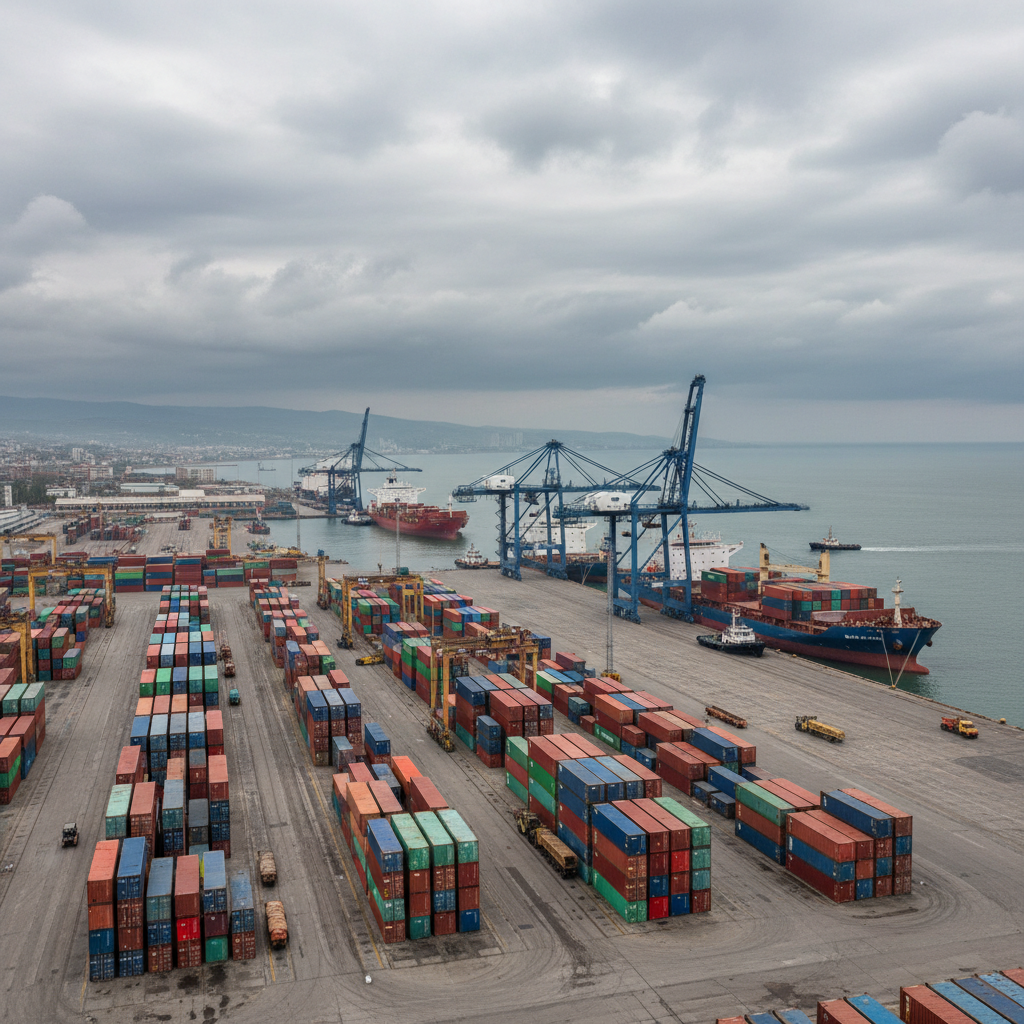
The Port of Savannah—America’s third-busiest container port—is a central artery for Georgia’s economy. The latest data show container traffic from and to China has dropped by 39%, as both imports and exports wane.
This downturn is affecting not just port revenues, but also logistics companies, rail carriers, and thousands of warehousing jobs in Georgia’s coastal and inland trade hubs.
Manufacturing and Tech Sector Reactions
Georgia’s growing role in automobile assembly and aerospace manufacturing, particularly around Atlanta and Columbus, means local firms are reeling from cost increases tied to parts shortages and rising import tariffs.
Some companies, including suppliers for major OEMs, are accelerating plans to source components domestically or from trade-friendly countries. However, experts warn this may raise production costs and reduce competitiveness in the short term.
What Investors in Georgia Should Consider
While headlines signal instability, experts emphasize that investors still have options to protect and grow their portfolios—even amid uncertainty.
- Reevaluate Exposure to China-Dependent Industries
Review holdings in sectors heavily reliant on Chinese markets or supply chains, particularly agriculture, semiconductors, and consumer electronics. - Explore Infrastructure and Defense Stocks
Georgia’s defense sector—including aerospace manufacturers—may benefit from rising government spending and efforts to localize production. - Consider Inflation Hedges
With global uncertainty pushing inflation up, Georgia investors may find value in commodities, real estate funds, and dividend-paying energy stocks. - Monitor Global Markets Weekly
Trade policy updates and corporate earnings reports are changing fast. Staying informed allows for timely portfolio adjustments.
The Long View: Risks and Resilience
Georgia’s economic foundation is resilient, thanks to its strategic logistics infrastructure, diversified industrial base, and pro-business policies. Yet no state is immune to global headwinds, especially when they disrupt trade at this scale.
As the U.S.–China trade conflict evolves, the key for Georgia’s investors and businesses is adaptability. Those who diversify wisely, leverage state-level incentives, and pivot quickly in response to global shifts will be better positioned to ride out the turbulence—and even find new opportunities in a changing world.